Free shipping on orders of $99+
January is when many people decide to lose weight, and many give up by February. The difference is rarely willpower; it is the plan. Here is a realistic approach you can keep up past the first few weeks.
Instead of “lose weight”, pick a target and a date: for example, 10 pounds in 12 weeks. Use our weight-loss forecast to see what pace is realistic for you.
A gradual loss, often around half a kilogram to one kilogram a week for many adults, is easier to sustain than a crash diet. Your own pace depends on your starting weight, health and plan; ask your doctor.
Birthdays, bad weather, stress at work: write down what you will do when they come up. Our page on calorie banking can help with events.
Weigh yourself on a regular schedule, track measurements and note how you feel. One day on the scale means little; the trend means a lot.
Doing it alone is hard. A clinic follow-up, a friend or a group keeps you accountable. You can contact our clinic to talk through your plan.
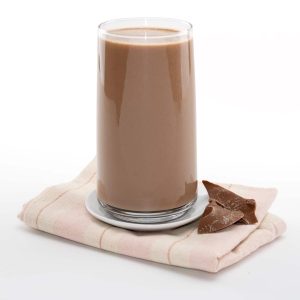
Stock protein options so a healthy choice is always within reach: shakes, bars and snacks.
Restart at the next meal. One bad day is only a data point.
Many people notice changes within a few weeks. Consistency matters more than speed.
Calculate your daily protein with our protein calculator, estimate your timeline with the weight-loss forecast, browse our protein products, or contact the clinic.
This article provides general information and does not replace advice from your doctor, pharmacist or dietitian.

Entrez votre courriel et recevez votre code promo instantanément. Valide sur tous nos produits — sans achat minimum !
🔒 Vos données sont protégées. Désabonnement facile en tout temps.