

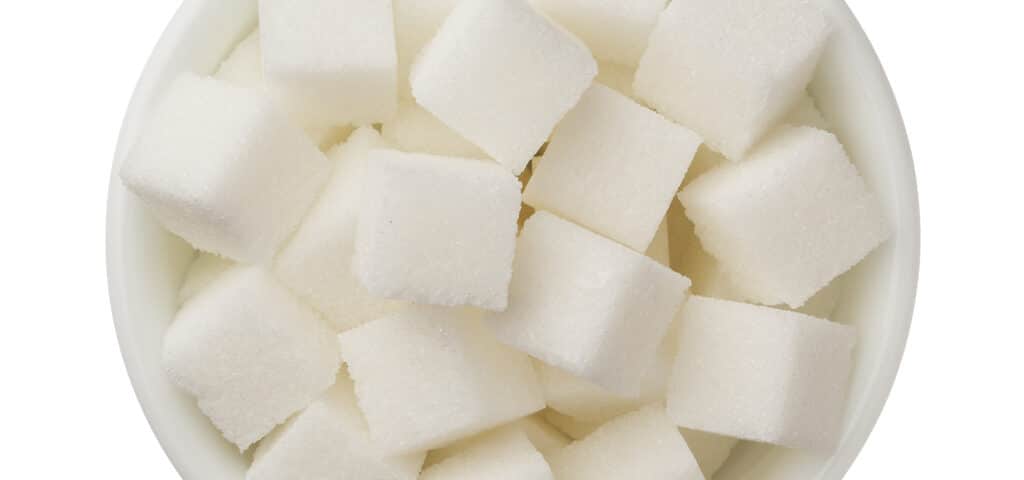
Sugar cubes in a bowl isolated on white
Why Sugar Is Bad for You: Your Waistline, Your Energy, and Your Overall Health
Sugar is everywhere. Of course, it’s found in desserts, but it’s also hidden in everyday foods like sauces, bread, salad dressings, yogurt, cereal, and even many so-called “healthy” snacks. Many people don’t realize how quickly sugar adds up—or how strongly it influences weight gain, cravings, energy levels, and long-term health.
If you want to lose weight, improve your health, or simply feel better day to day, reducing your sugar intake is one of the fastest and most effective changes you can make.
In this article, we explain why sugar can be harmful, how it affects your body and your waistline, and what to do instead.
What Exactly Is Sugar?
Sugar is a form of carbohydrate. The most common sources include:
-
added sugars (table sugar, cane sugar, syrups, honey, agave)
-
sugary drinks (soft drinks, juice, sweetened coffees)
-
refined carbohydrates that act like sugar (white bread, pastries, many cereals)
Your body can use carbohydrates as a source of energy, but problems occur when sugar intake becomes frequent and excessive, especially when it comes from processed foods.
1) Sugar Promotes Weight Gain and Belly Fat
One of the biggest issues with sugar is that it can easily increase your daily calorie intake without creating long-lasting satiety.
Sugar is a source of “easy calories”:
-
it digests quickly
-
it doesn’t keep you full for long
-
it makes you hungry again shortly after
Even more important: sugar increases insulin, and insulin promotes fat storage. Over time, this mechanism encourages the body to store more fat, especially around the abdomen.
Why Belly Fat Matters
Excess fat around the waist is not just a cosmetic issue. Visceral fat (stored around organs) is linked to:
-
insulin resistance
-
metabolic syndrome
-
increased cardiovascular risk
If your goal is fat loss—especially around the waist—reducing sugar is an essential strategy.
2) Sugar Increases Cravings and Makes You Hungrier
Many people think they lack willpower when it comes to sweets. In reality, it’s not a motivation problem: sugar directly affects appetite and brain chemistry.
Sugar can create a cycle like this:
-
you eat something sweet
-
blood sugar rises quickly
-
insulin increases to bring it back down
-
blood sugar drops
-
you feel tired, hungry, and crave sugar
That’s why sugary foods are rarely satisfying over time. They often lead to more snacking, more cravings, and higher calorie intake throughout the day.
3) Sugar Causes Energy Crashes and Mental Fog
Sugar can provide a temporary boost of energy, but it’s often followed by a crash. That “crash” may feel like:
-
fatigue
-
irritability
-
anxiety
-
difficulty concentrating
-
stronger cravings
Many people use sugar or sugary drinks to get through the afternoon, but this solution usually backfires. A more stable option is a protein-rich snack or meal, which supports steadier energy and better appetite control.
4) Sugar Can Lead to Insulin Resistance Over Time
Your body uses insulin to move sugar from the blood into your cells. But when blood sugar stays high too often, insulin stays high too.
Over time, cells become less sensitive to insulin. This is called insulin resistance, and it is strongly linked to:
-
weight gain
-
difficulty losing fat
-
more frequent hunger
-
a higher risk of type 2 diabetes
This is also one reason why some people feel like they gain weight easily even without eating large amounts. Too much sugar and refined carbs can make fat loss more difficult.
5) Sugar Impacts Heart Health and Inflammation
Excess sugar doesn’t only affect weight. High intake of added sugar is associated with unfavorable metabolic markers such as:
-
increased triglycerides
-
lower HDL (“good”) cholesterol
-
higher blood pressure in some individuals
Sugar can also contribute to chronic inflammation, which is linked to many long-term health issues.
6) Sugar Can Affect Skin, Mood, and Sleep
The impact of sugar on daily quality of life is often underestimated.
Skin
High sugar intake may contribute to certain skin issues and speed up glycation, a process that can impact skin aging.
Mood
Rapid blood sugar changes can lead to mood swings, irritability, and stress-related cravings.
Sleep
Sugar consumed late in the day can reduce sleep quality. Poor sleep increases hunger hormones the next day, making weight loss even more difficult.
Hidden Sugar: The Real Reason Many People Get Stuck
The problem isn’t the occasional dessert. The real issue is hidden sugar in everyday foods.
Common sources include:
-
flavored yogurts
-
cereals and granola
-
sweetened coffees
-
sauces and condiments
-
“healthy” snacks loaded with added sugar
-
packaged smoothies and juices
A food may look healthy but still contain enough sugar to maintain cravings and disrupt metabolism.
How to Reduce Sugar Without Feeling Deprived
The goal isn’t perfection. The goal is progress and consistency.
Here are simple, effective strategies:
1) Start the Day With Protein
A higher-protein breakfast reduces cravings later in the day.
2) Choose Lower-Sugar Snacks
Replace sweets with options that support satiety:
-
high-protein snacks
-
structured shakes as part of a nutrition plan
-
simple foods like eggs or plain Greek yogurt
3) Stop Drinking Sugar
Sugary drinks are one of the fastest ways to gain weight. Replace them with:
-
water
-
sparkling water
-
coffee or tea with no added sugar
4) Read Labels
Even “healthy” foods can contain high amounts of added sugar. Watch for words like:
-
syrup
-
cane sugar
-
glucose-fructose
-
maltodextrin
-
dextrose
5) Keep Dessert—But Use It Strategically
If you enjoy sweet foods, don’t ban them completely. Plan them:
-
after a protein-rich meal
-
in smaller portions
-
less often
This helps maintain balance without unnecessary stress.
Sugar, GLP-1, and Weight Loss Programs
For people using GLP-1 medications or following a supervised weight loss program, reducing sugar can be even more important.
Why?
-
sugar may cause digestive discomfort for some individuals
-
sugary foods that are low in protein reduce nutritional quality
-
it can slow results by increasing cravings and overall calorie intake
In a structured protocol, high-quality, protein-rich nutrition helps optimize results and preserve lean muscle during weight loss.
Sugar Isn’t the Only Problem… But It’s a Major Factor
Sugar won’t ruin your health overnight. But frequent and high sugar intake can strongly contribute to:
-
belly fat and weight gain
-
cravings and hunger
-
energy crashes
-
insulin resistance
-
long-term metabolic and cardiovascular risks
Reducing sugar is one of the best decisions you can make to regain control of your waistline and your health.
For sustainable results, focus on habits that stabilize appetite:
-
more protein
-
fewer refined carbs
-
less added sugar
-
structured meals and smarter snacks