Free shipping on orders of $99+
On a GLP-1 medication, appetite drops and protein is often the first thing to fall short — yet protein is what helps protect your muscles while you lose weight. Here is how to fit it in simply, without eating more than your appetite allows.
Medications like Ozempic, Wegovy or Mounjaro reduce hunger. You eat less, so you also eat less protein. When protein intake is too low during weight loss, the body can draw on muscle as well as fat. One study of semaglutide found that the people who lost the most muscle were more often older adults, women, or people who ate less protein.
Protein is not a guarantee, but it is one of the simplest levers. Combined with resistance training (weights, bands, bodyweight exercises), it lowers the risk of losing muscle.
The general recommendation for a healthy adult is about 0.8 g per kilogram of body weight, or about 64 g for someone weighing 80 kg. That figure is meant to prevent deficiency, not to protect your muscles during weight loss.
For weight loss, a meta-analysis of clinical trials concluded that intakes below 1.0 g/kg/day are linked to a higher risk of muscle loss, and that above 1.3 g/kg/day muscle is better preserved. Many professionals therefore aim for 1.2 to 1.6 g/kg.
| Your weight | 1.2 g/kg | 1.6 g/kg |
|---|---|---|
| 60 kg | 72 g | 96 g |
| 70 kg | 84 g | 112 g |
| 80 kg | 96 g | 128 g |
| 90 kg | 108 g | 144 g |
These numbers are guidelines. If you have kidney disease, or your doctor has given you a different target, follow their advice. To work out your own target, use our protein calculator.
Protein alone is not enough. Two to three strength sessions a week, even short ones, give your body a reason to keep its muscle. Start light, and ask your doctor for advice if you have any limitations.
Should I eat more protein on Ozempic? Generally yes, compared with the baseline recommendation, because a reduced appetite leads you to eat less of everything. The right target depends on your weight, your health and your doctor.
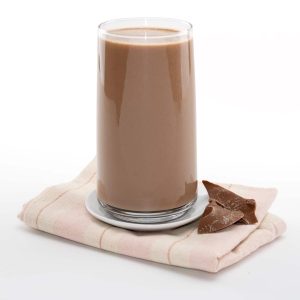
Do protein shakes replace meals? No, they supplement your diet. They are useful when appetite is very low, but keep real meals as much as possible.
Can I eat too much protein? In healthy adults, moderately high intakes are generally well tolerated. People with kidney disease should talk to their doctor before increasing their protein.
Does this article replace medical advice? No. Talk about your diet and goals with your doctor or pharmacist, especially before changing a medication or dose. To go further, read our GLP-1 and nutrition guide.

Entrez votre courriel et recevez votre code promo instantanément. Valide sur tous nos produits — sans achat minimum !
🔒 Vos données sont protégées. Désabonnement facile en tout temps.