Free shipping on orders of $99+
Cravings are not a lack of willpower. They often come from skipped meals, low protein, poor sleep, stress or habit. Here are seven practical ways to reduce them, starting with protein.
A protein-rich breakfast (eggs, Greek yogurt, a shake) helps keep appetite steadier through the day.
Long gaps often lead to rebound eating. Plan regular meals and a protein snack.
Vegetables, fruit, legumes and whole grains make meals more filling.
Thirst can feel like hunger. Try a glass of water and wait ten minutes.
Short sleep is linked to stronger appetite and cravings, especially for sweet and fatty foods.
Is it stress, boredom, a specific time of day? Write it down and plan a non-food response (a short walk, a call, tea). See our page on the mental weight.
Banning foods often backfires. Include a planned portion so it does not become a binge. Calorie banking can help: read how it works.
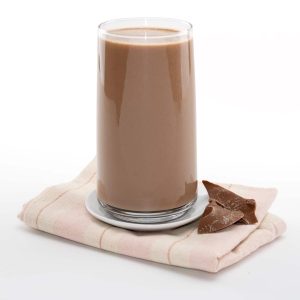
Keep protein options ready: protein bars, shakes and other snack ideas.
Under-eating earlier, fatigue and habit are common reasons. A protein-rich dinner and an evening plan can help.
For many people, they help keep fullness longer than a sugary snack. Individual results vary.
Calculate your daily protein with our protein calculator, estimate your timeline with the weight-loss forecast, browse our protein products, or contact the clinic.
This article provides general information and does not replace advice from your doctor, pharmacist or dietitian.

Entrez votre courriel et recevez votre code promo instantanément. Valide sur tous nos produits — sans achat minimum !
🔒 Vos données sont protégées. Désabonnement facile en tout temps.