
#image_title
The GLP-1 Plate: When You Eat Less, Every Bite Matters More
For years, the prevailing message was simple: eat less. But when appetite decreases significantly—as it does for some people taking a GLP-1 medication—a better question emerges:
How can I make what I eat truly count?
The goal is not simply to reduce portion sizes. It is to get the most out of each meal by choosing foods that are nourishing, enjoyable, and easy to tolerate.
Start with protein
When you are eating smaller amounts, protein becomes especially important. It provides the amino acids your body needs to maintain its tissues, including muscle.
Depending on your preferences and tolerance, you might choose:
- Eggs
- Greek yogurt
- Fish or poultry
- Cottage cheese
- Tofu
- Beans and other legumes
Try to include a source of protein with every meal or snack, even when the portion is small.
Make room for plants
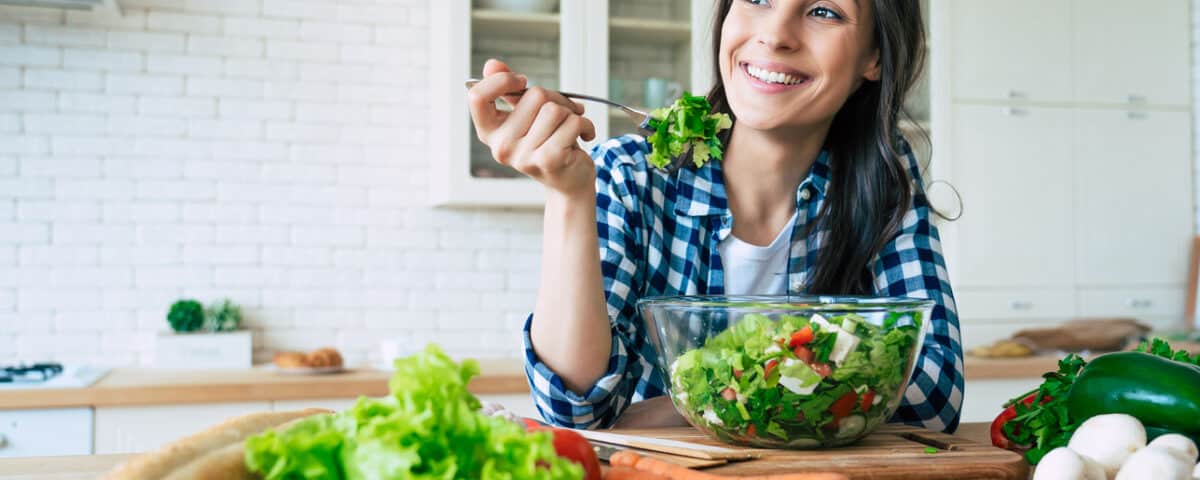
Vegetables, fruits, legumes, and whole grains provide fibre, vitamins, and minerals.
If certain foods are more difficult to eat, choose textures that feel comfortable. Good options may include berries, soft fruits, cooked vegetables, soups, lentils, or oatmeal. You do not need to aim for perfection. A small amount that you tolerate well is better than a large serving that causes discomfort.
Do not forget to drink
A reduced appetite can sometimes make it easy to forget about fluids. Keep a bottle or glass of water where you can see it, and drink small amounts regularly throughout the day.
However, avoid drinking a large amount at once if it increases fullness or discomfort. Some people find it easier to drink between meals rather than during them.
Choose small, simple meals
Large meals may not feel comfortable when your appetite is reduced. Smaller portions spread throughout the day can be easier to manage.
Here are a few ideas:
- Greek yogurt with fruit
- Half a sandwich with soup
- An egg with toast and fruit
- A small bowl of chicken, vegetables, and rice
- Cottage cheese with fruit
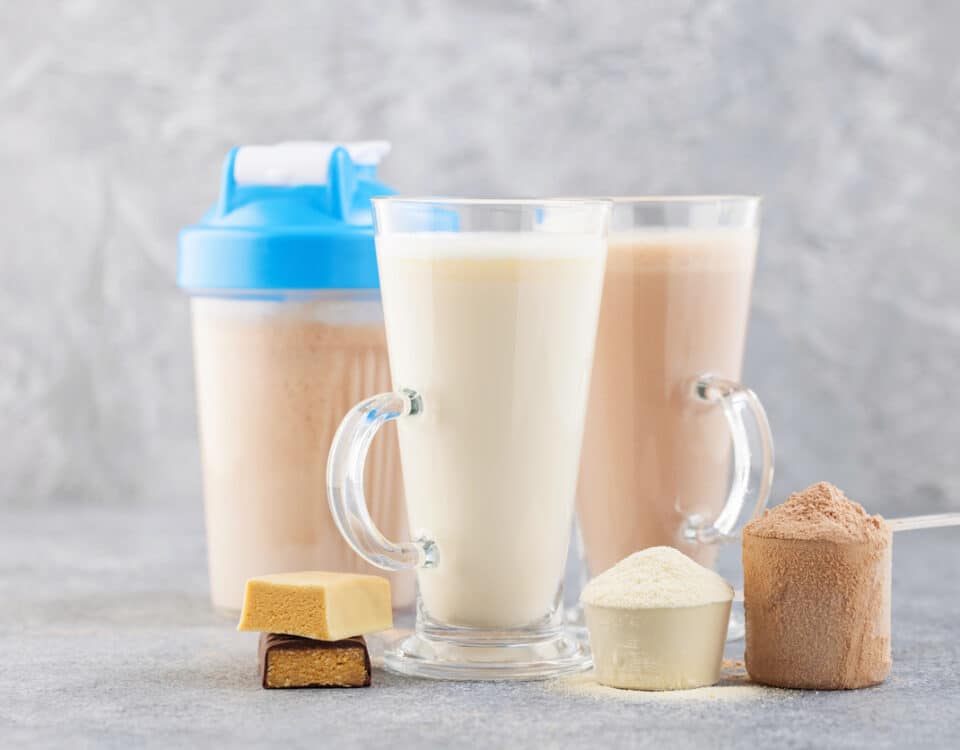
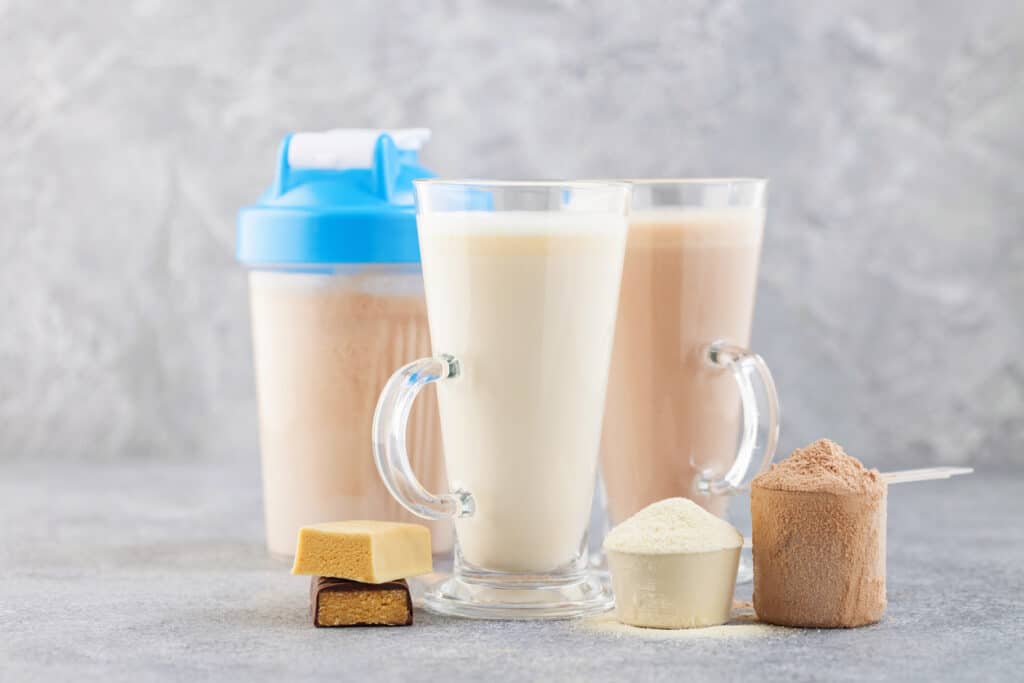
- A protein smoothie
Whenever possible, choose a simple combination that includes a source of protein, a plant-based food, and—depending on your appetite—a whole grain or another energy-rich food.
Slow down and listen to your body
Take your time when eating and pay attention to your body’s signals. Stop when you feel full, even if there is food left on your plate. You can always save the rest for later.
One simple rule can guide your choices:
Do not just shrink your previous diet—improve what remains.
Every bite is an opportunity to give your body the nutrients it needs.
When should you seek help?
Persistent nausea, vomiting, severe constipation, an inability to drink enough fluids, or difficulty meeting your nutritional needs should be discussed with a doctor, pharmacist, or registered dietitian.
Do not stop or change your medication without speaking with the healthcare professional overseeing your treatment.
Key takeaway
With a reduced appetite, your approach to eating should remain practical, realistic, and repeatable. Start with protein, add well-tolerated plant foods, drink fluids regularly, and choose small, simple meals.
It is not about eating perfectly. It is about making every bite count.