
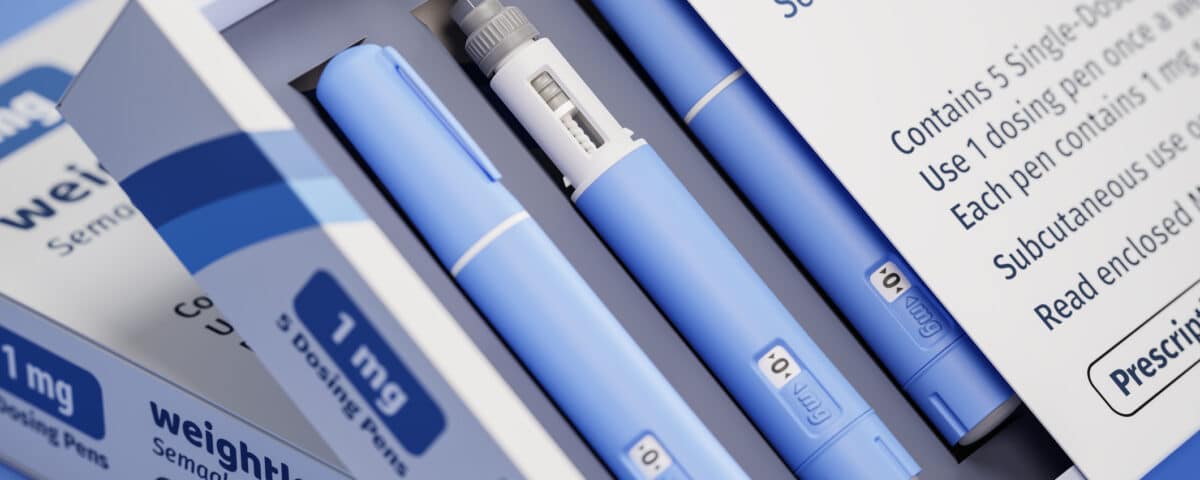
Two packages of 5 dosing pens each of a fictitious Semiglutin drug used for weight loss (antidiabetic medication or anti-obesity medication) on a blue transparent background. Fictitious package design
Comparing GLP-1 Medications vs. a High-Protein, Low-Carb Diet: Which Is Better for Weight Loss?
In the world of weight loss, both GLP-1 medications and a high-protein, low-carb diet have gained significant attention. Each approach offers distinct benefits and challenges. While one may be better suited for long-term, sustainable health, combining both can create a highly effective strategy when used properly.
Let’s break down how these two approaches compare—and how they can work together.
The Basics of GLP-1 for Weight Loss
GLP-1 medications are receptor agonists originally developed to manage type 2 diabetes. They have gained popularity for weight loss due to their ability to regulate appetite and blood sugar.
By mimicking a natural hormone involved in hunger and glucose control, GLP-1 medications:
• Reduce appetite
• Increase feelings of fullness
• Help create a calorie deficit
The Basics of a High-Protein, Low-Carb Diet
A high-protein, low-carb diet is a nutrition-based approach focused on whole, nutrient-dense foods.
It emphasizes:
• Lean proteins (chicken, fish, eggs, legumes)
• Reduced intake of refined carbohydrates and sugars
• Stable energy and improved satiety
This approach supports fat loss while preserving lean muscle mass—key for long-term success.
Comparing GLP-1 vs. High-Protein, Low-Carb Diet
1. Appetite and Cravings Control
• GLP-1: Reduces appetite at a hormonal level, making it easier to eat less without constant hunger.
• High-Protein, Low-Carb Diet: Naturally increases satiety. Protein-rich meals help reduce cravings and stabilize hunger without relying on medication.
Advantage: High-protein, low-carb diet for a more natural and sustainable approach.
2. Impact on Metabolic Health
• GLP-1: Helps regulate blood sugar but does not directly support muscle preservation or body composition improvements.
• High-Protein, Low-Carb Diet: Improves blood sugar, supports fat loss, and preserves muscle mass—keeping metabolism active.
Advantage: High-protein, low-carb diet for overall metabolic health.
3. Sustainability and Long-Term Health
• GLP-1: Effective short-term but can be expensive, harder to access, and associated with side effects such as nausea and fatigue.
• High-Protein, Low-Carb Diet: Sustainable, accessible, and beneficial for long-term health, including heart health and inflammation reduction.
Advantage: High-protein, low-carb diet for long-term sustainability.
4. Weight Loss Results
• GLP-1: Can produce significant weight loss (often 5%–15% of body weight), especially in the early stages.
• High-Protein, Low-Carb Diet: Also delivers strong results, with a focus on fat loss while maintaining muscle—leading to better body composition.
Advantage: Both are effective, but nutrition offers more sustainable, long-term results.
Combining GLP-1 and a High-Protein, Low-Carb Diet
For those using GLP-1 medications, combining them with a high-protein, low-carb diet can significantly enhance results.
1. Better Satiety and Muscle Preservation
Protein intake helps maintain lean muscle and improves satiety, reducing the risk of muscle loss during weight loss.
2. Improved Blood Sugar Control
GLP-1 regulates blood sugar, while a low-carb diet further stabilizes glucose levels—especially beneficial for insulin resistance.
3. Stronger Long-Term Habits
Using GLP-1 as a starting tool while building solid nutritional habits creates a sustainable path forward.
4. Reduced Risk of Weight Regain
A structured diet helps maintain results after stopping GLP-1, minimizing rebound weight gain.
Practical Tips for Combining Both Approaches
• Focus on lean protein at every meal (chicken, fish, eggs, legumes)
• Limit refined carbohydrates and sugars
• Stay well hydrated
• Include healthy fats (olive oil, nuts, avocado) for satiety
• Work with a healthcare professional to monitor progress
Conclusion: What’s the Best Approach?
GLP-1 medications can be a powerful tool to initiate weight loss. However, a high-protein, low-carb diet remains the most effective long-term strategy for sustainable health and weight management.
The best results often come from combining both:
• GLP-1 helps kick-start the process
• Nutrition ensures long-term success
Ultimately, success depends on your lifestyle, goals, and consistency. With or without GLP-1, focusing on high-quality nutrition is what truly drives lasting results.