Free shipping on orders of $99+
When you lose weight, you want to lose fat, not muscle. Muscle keeps your metabolism up, your body strong and your results easier to maintain. The good news: a few simple habits protect it.
When you eat fewer calories, your body can use muscle as a fuel source along with fat, especially if protein is low, weight is lost very quickly, or you are not using your muscles.
Many people losing weight aim for about 1.2 to 1.6 g of protein per kilogram of body weight per day, spread across meals (roughly 25 to 35 g per meal). Use our protein calculator to estimate your target and check with your doctor if you have kidney disease.
Weights, resistance bands or bodyweight exercises give your muscles a reason to stay. Sessions can be short. Start light and build gradually, and ask your doctor if you have any limitations.
Very steep deficits increase the risk of losing muscle and make the plan hard to sustain. A steady pace is usually better. Our weight-loss forecast helps you set a realistic one.
Poor sleep and chronic stress make it harder to keep muscle and easier to crave sweets.
Daily walking supports your heart, mood and energy, and complements strength training.
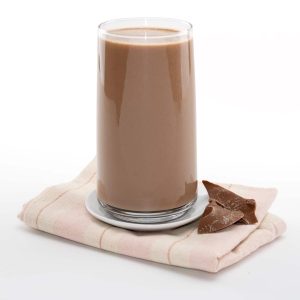
Eggs, fish, poultry, lean meat, Greek yogurt, cottage cheese, tofu and legumes should be your base. Our protein shakes and bars can fill the gaps. If you use a GLP-1 medication, see our GLP-1 nutrition guide.
Falling strength, constant fatigue and a scale that drops very fast can be signs. A professional can assess your body composition.
Beginners often can, with enough protein and strength training. Progress varies from person to person.
Calculate your daily protein with our protein calculator, estimate your timeline with the weight-loss forecast, browse our protein products, or contact the clinic.
This article provides general information and does not replace advice from your doctor, pharmacist or dietitian.

Entrez votre courriel et recevez votre code promo instantanément. Valide sur tous nos produits — sans achat minimum !
🔒 Vos données sont protégées. Désabonnement facile en tout temps.