Free shipping on orders of $99+
Meal replacements (shakes, bars, soups and ready-to-mix meals) are everywhere in weight-loss programs. Are they actually useful, or just expensive convenience? The short answer: used well, they can make a calorie deficit easier to follow. Used badly, they can leave you hungry and no better off once you stop.
A meal replacement is a portion-controlled product designed to stand in for a meal. A good one provides protein, some fibre and added vitamins and minerals for a known number of calories. A simple protein shake or bar used as a snack is not the same thing.
Talk to your doctor or dietitian if you are pregnant or breastfeeding, have diabetes, kidney disease, a history of eating disorders, or take medication. Meal replacements are not appropriate for children.
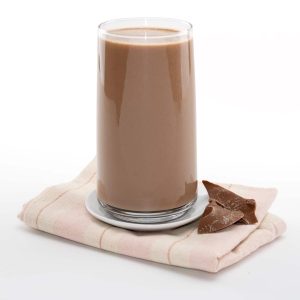
Browse our shakes, soups and breakfast options or start with the Anytime vanilla shake.
Not without medical supervision. For most people, one or two replacements plus real food is a safer, more sustainable approach.
They can make the early weeks easier, but the best plan is the one you can keep following, with real food and support.
Calculate your daily protein with our protein calculator, estimate your timeline with the weight-loss forecast, browse our protein products, or contact the clinic.
This article provides general information and does not replace advice from your doctor, pharmacist or dietitian.

Entrez votre courriel et recevez votre code promo instantanément. Valide sur tous nos produits — sans achat minimum !
🔒 Vos données sont protégées. Désabonnement facile en tout temps.